March Brown
Rhithrogena germanica — Early Brown, Great Red Spinner
The first major hatch of the European fly fishing season — a welcome sight on cold, rocky rivers in early spring.
Mayflies — Ephemeroptera
Heptageniidae
Body 10–14 mm / Hook size 12–14
Midday
Rocky, fast-flowing upland rivers and streams
Lifecycle
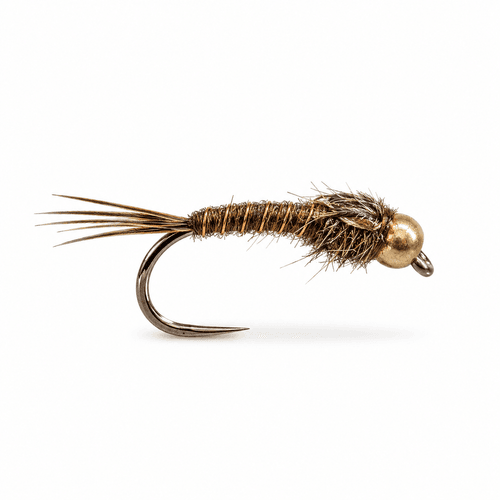
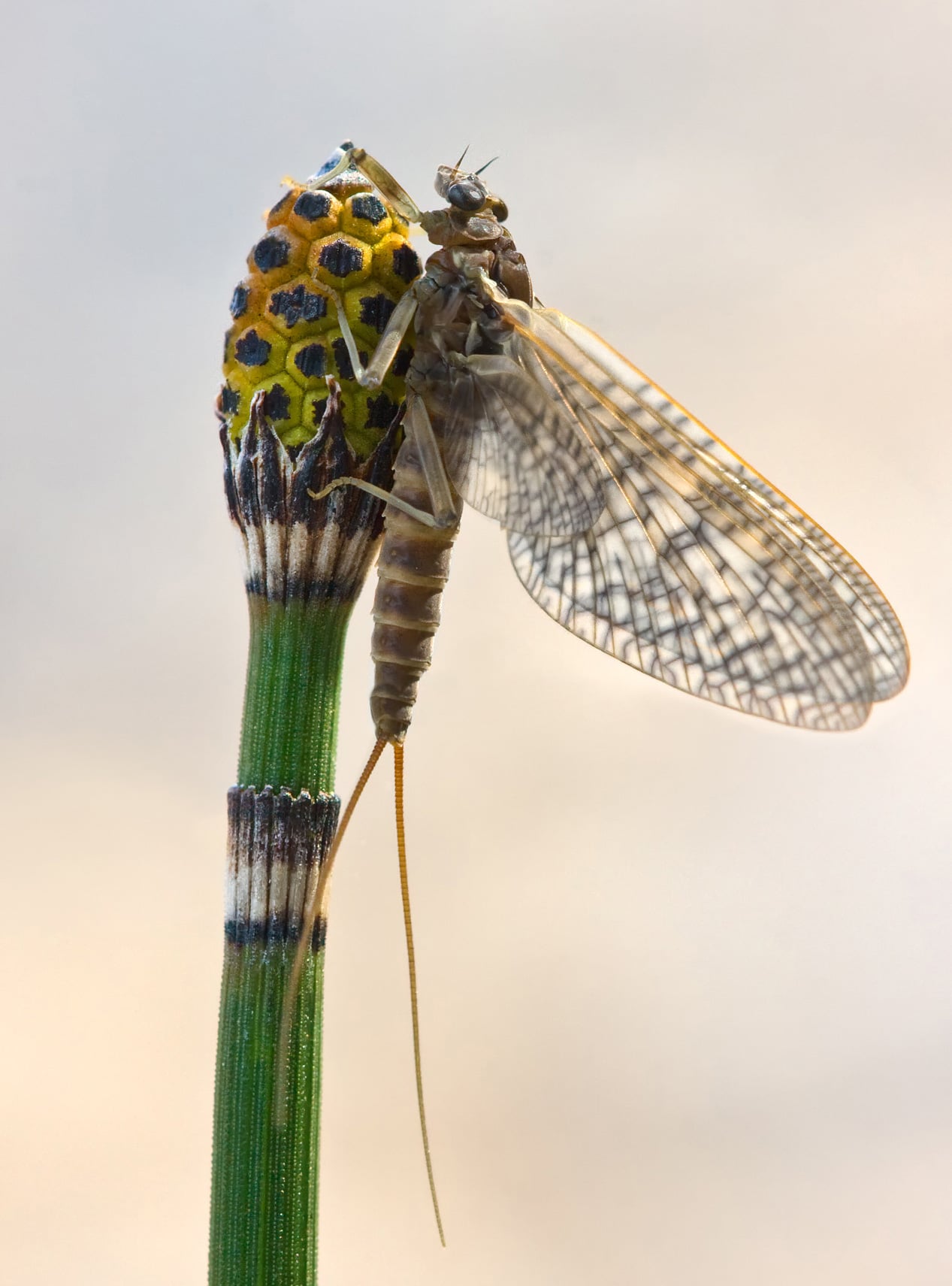
March Brown nymphs are among the most distinctive of all European mayfly nymphs. Belonging to the Heptageniidae (flat-headed mayflies), they have a broadly flattened head and disc-like body designed for clinging to stones in fast currents.
Peak months
The March Brown holds a special place in fly fishing history as the hatch that signals the true beginning of the new season. In cold, northern and upland rivers where the fly fishing calendar starts later, seeing the first March Browns drifting on the surface is cause for genuine excitement.
Fishing tips
Midday Ambush
The March Brown hatch typically occurs during the warmest part of the day in early spring — between 11am and 2pm. Position yourself on a productive run or riffle and watch for duns appearing.
Fly patterns
Other hatches
TerrestrialsBlack Gnat
Bibio johannisA ubiquitous summer terrestrial — the Black Gnat is available to fish on virtually every European river when other hatches are quiet.
MayfliesBlue Winged Olive
Serratella ignitaThe most important small olive on British and European chalk streams — reliable, widespread, and technically demanding.
Midges & DipteraBuzzer / Midge
Chironomidae sp.The most important insect of all on stillwaters — year-round, in every month, on every productive lake and reservoir in Europe.
MayfliesCaenis
Caenis horariaThe infuriatingly tiny mayfly that hatches in such vast numbers that fish refuse to look at anything larger — the tying and presentation challenge of a lifetime.
CaddisfliesCinnamon Sedge
Limnephilus lunatusA common summer evening caddis found across Europe — its reliable evening hatches from June to August provide consistent dry fly fishing.