Sea Trout
Salmo trutta trutta
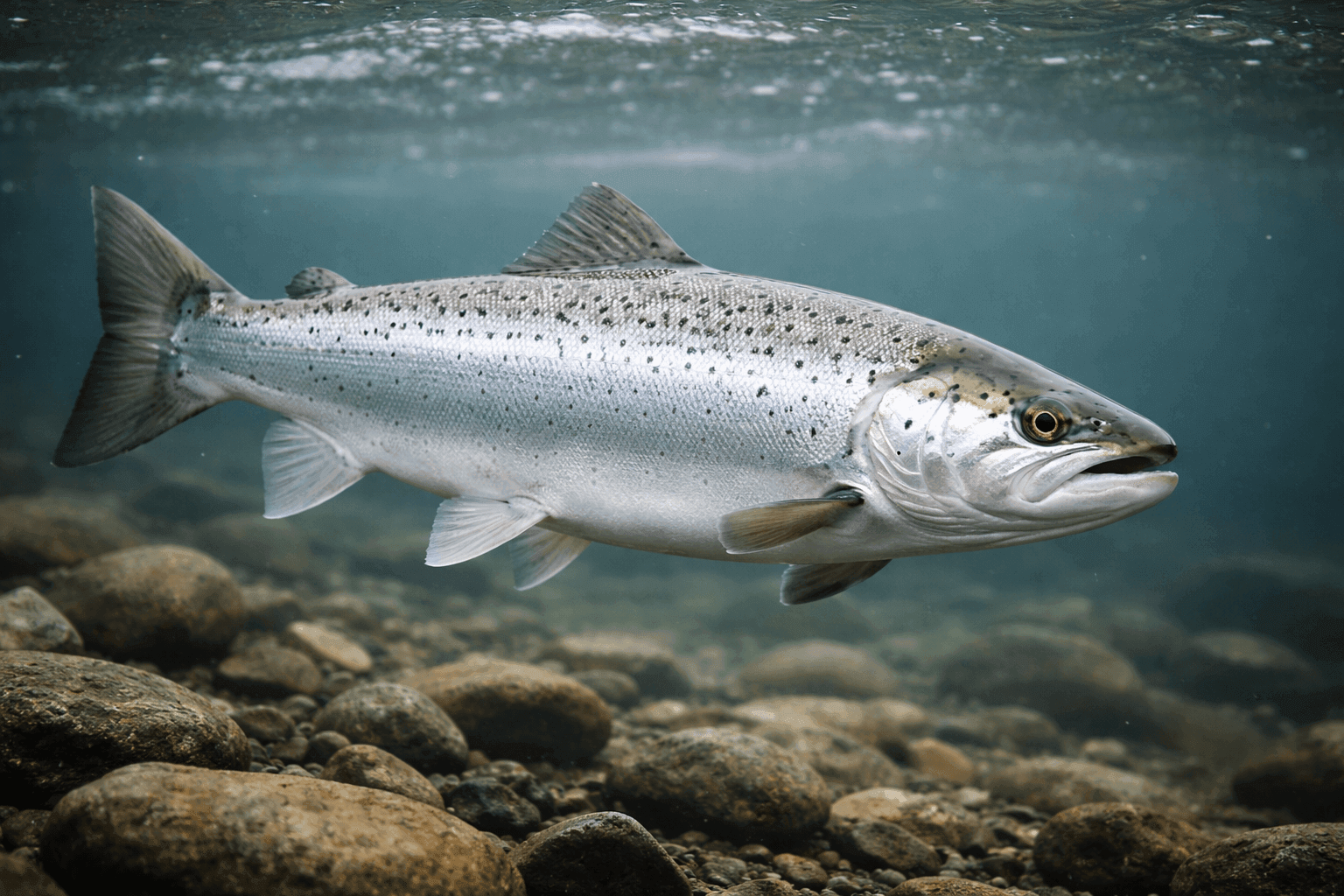
The sea-run form of brown trout — a nocturnal predator that enters rivers silver-bright and fights with extraordinary power.
Enters rivers at night from June onwards, resting in pools during the day. Requires clean coastal rivers with good sea access.
40–90 cm, typically 0.5–4 kg; specimens exceeding 10 kg are caught in Scandinavia and Ireland.
Salmo trutta trutta
Coastal rivers on both sides of the North Atlantic and around Scandinavia. Strongholds include Wales, Southwest England, Ireland's west coast, and Norway.
Sea trout offer one of fly fishing's most atmospheric experiences: wading a pool at midnight, the river glinting under a pale summer sky, presenting a fly to a fish you cannot see but know is there.
Genetically identical to brown trout, sea trout are the migratory form that leave fresh water as juveniles, spend years fattening in the sea, then return to their home river to spawn.
Fly fishing tactics
Night Fishing with Wet Flies
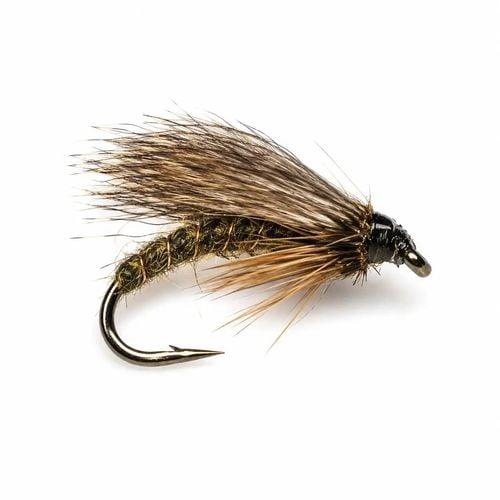
The traditional method on western Atlantic rivers. Fish a team of two or three soft-hackle wet flies after dark on a floating or intermediate line across and downstream.
Surface Wake Fly by Night
On still, warm summer nights over flat pools, a large muddler-style fly or small surface tube creates a wake that triggers violent reactions.
Recommended flies
Best months
Other species
Arctic Char
Salvelinus alpinusA relic from the last Ice Age — the arctic char inhabits the coldest and deepest lakes of Northern Europe and offers pure wilderness fly fishing.
Asp
Leuciscus aspiusA fast, aggressive surface predator unique to European rivers — asp fly fishing combines the excitement of sight fishing with explosive surface takes.
Atlantic Salmon
Salmo salarThe king of rivers — a powerful anadromous fish that returns from the ocean to spawn in its birth river.
Barbel
Barbus barbusA powerful bottom-feeding river specialist whose strength in fast current makes it one of Europe's most underrated fly-rod fish.
Brown Trout
Salmo truttaThe most iconic freshwater fish in European fly fishing — wary, selective, and endlessly fascinating.